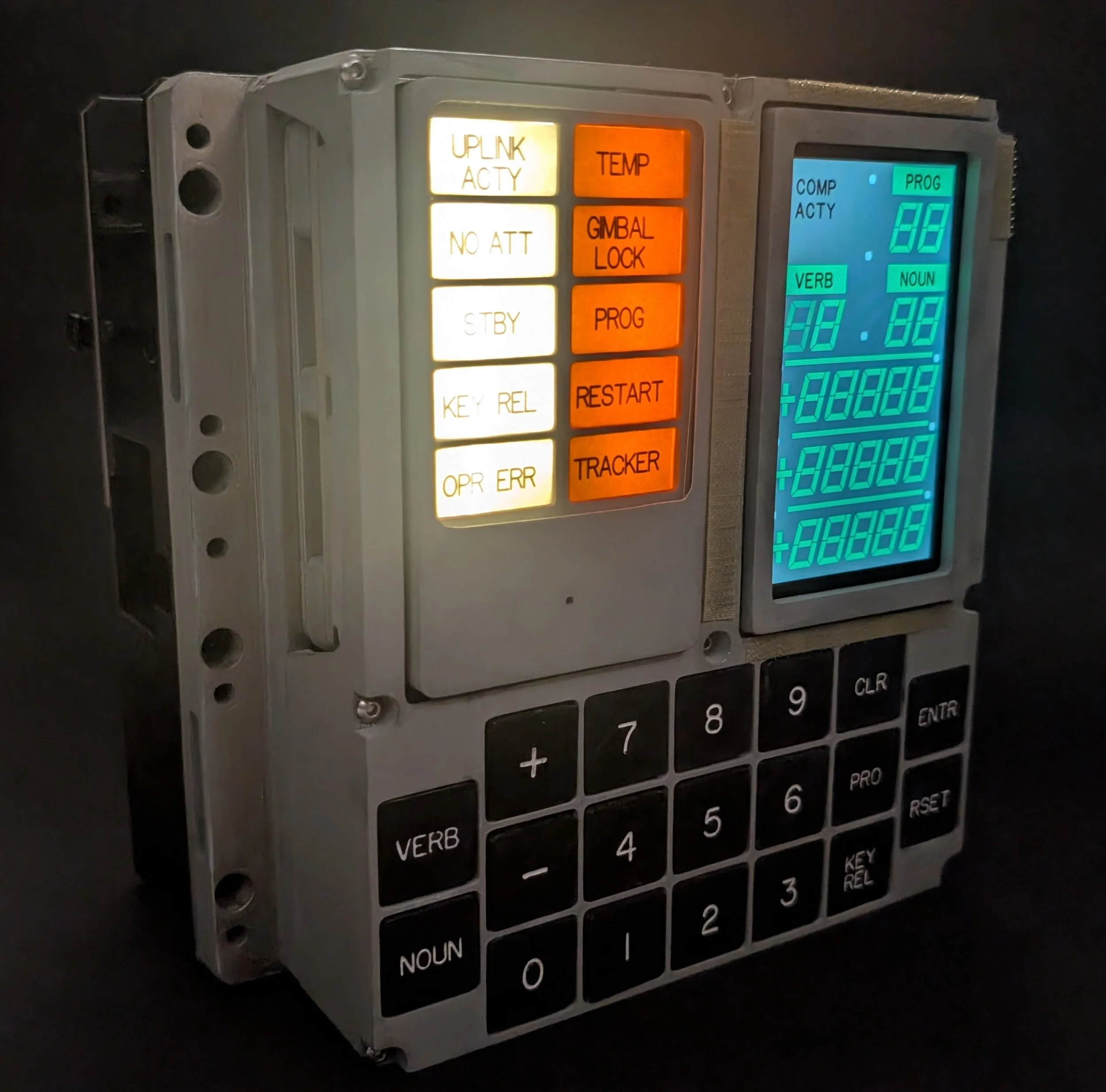
Recreating History using Modern Technology
The space race of the 1960’s was full of individual stories, tense rivalry, and forced innovation between Russia and the United States in this new kind of Cold War. It was a fight of wits and staring contest of risk as these two superpower nations pushed machines and humans to all-new goalposts… leaving the atmosphere and pushing into space.
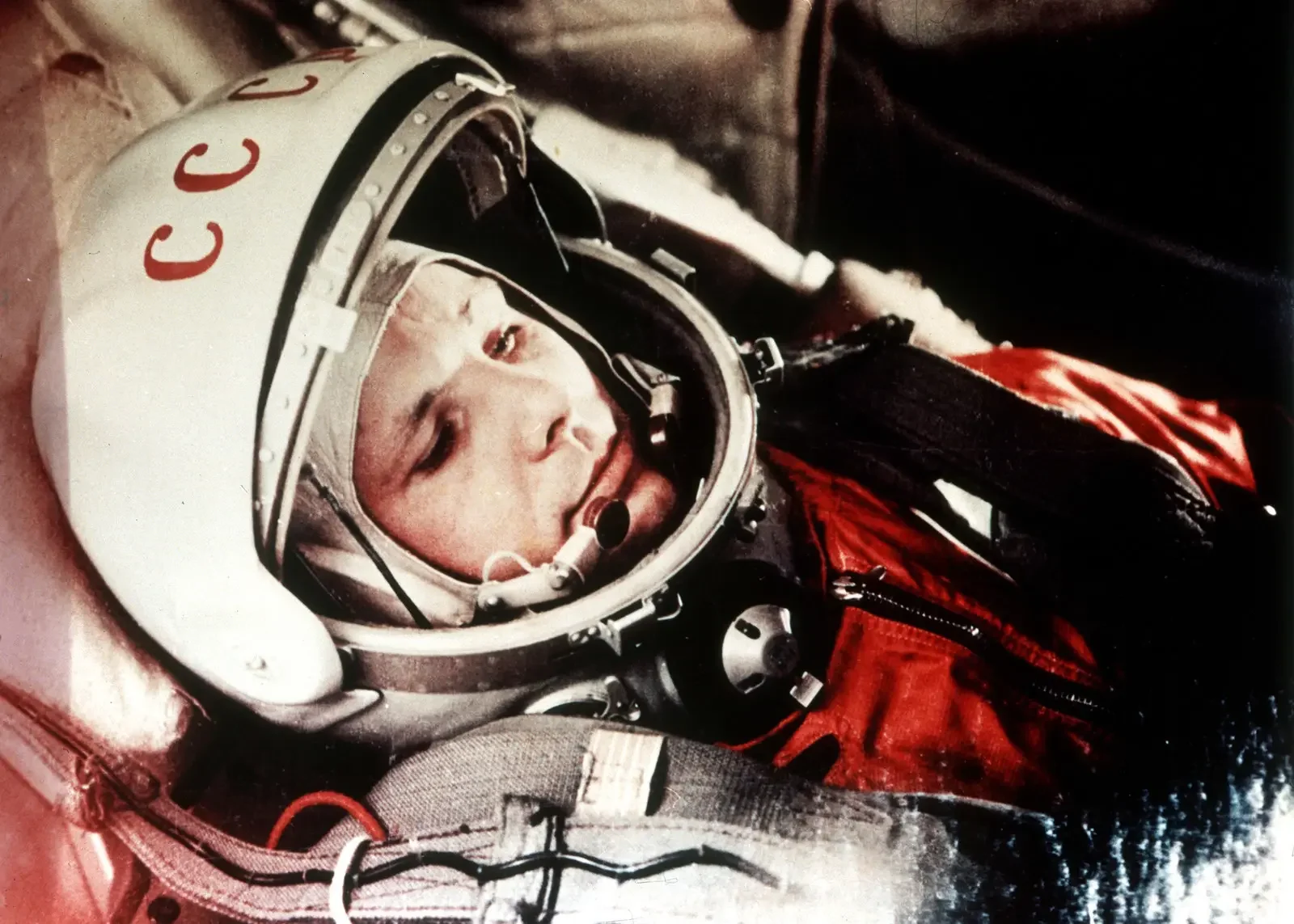
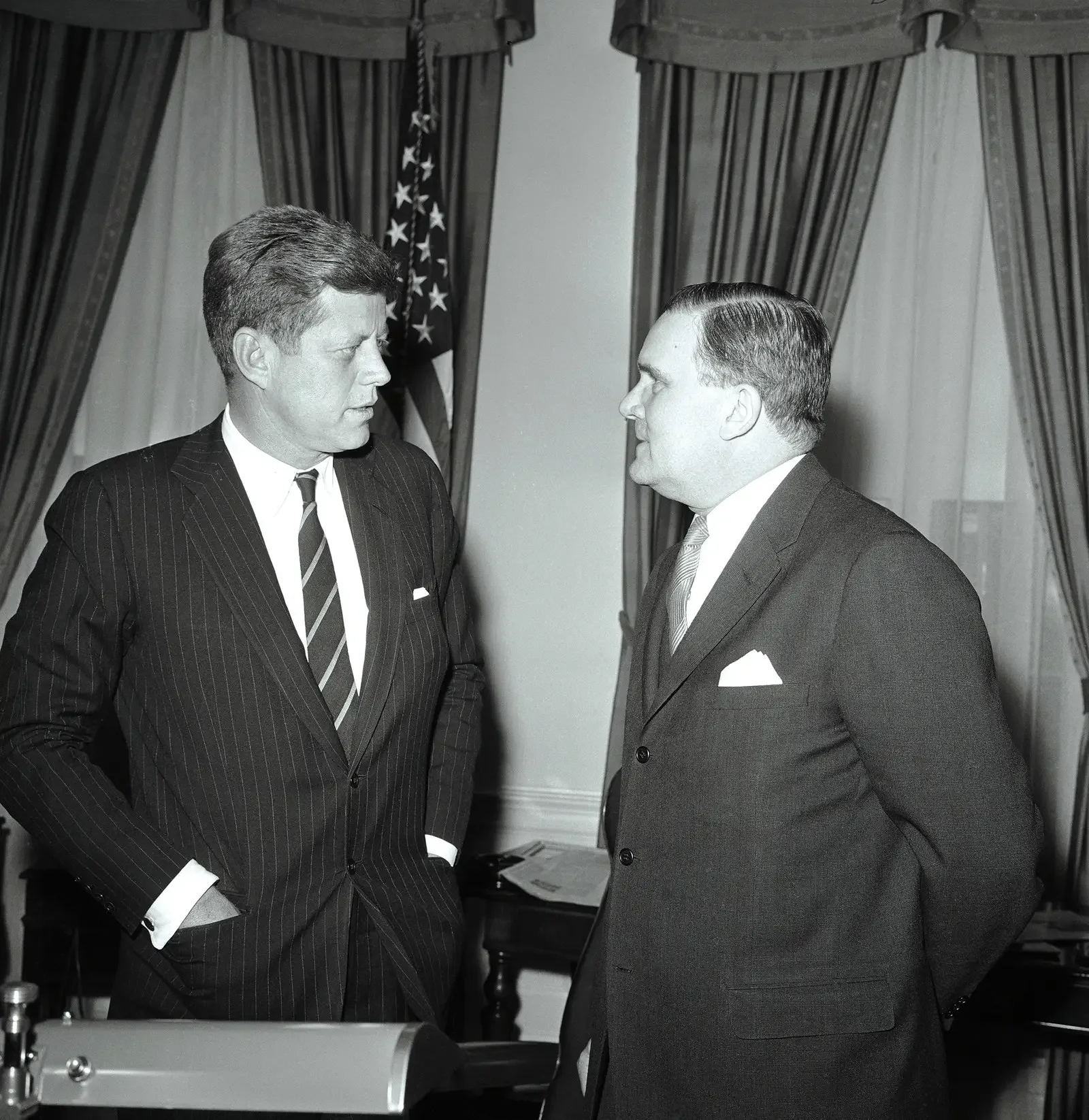
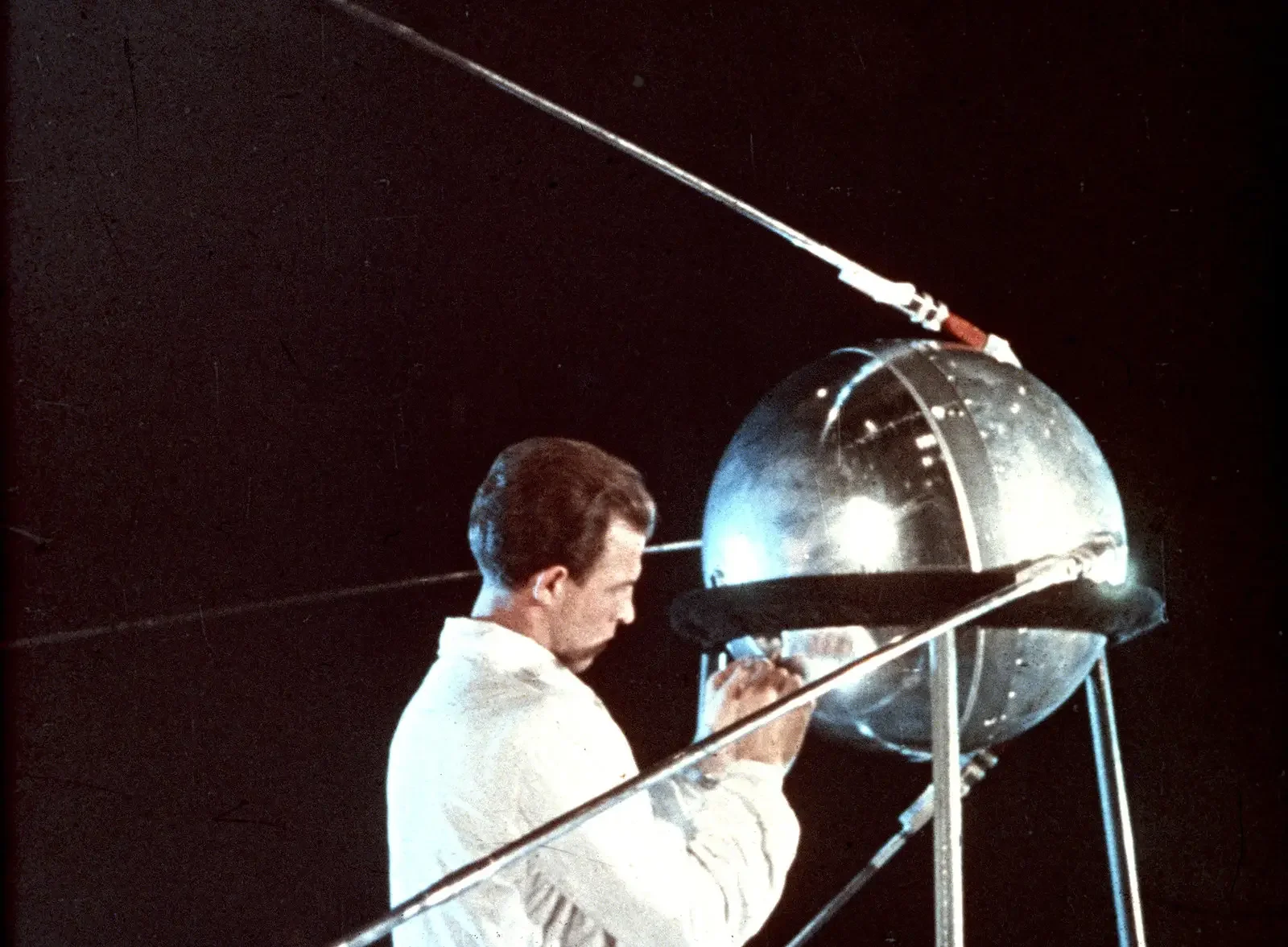
A commonly quoted fact is that there were less than 66 years between the first flight of the Wright Flyer in 1903, and the first moon landing in 1969. But a fact that I think is much more impactful: Sputnik I, the first manmade object to orbit the earth, was launched in 1957. in just 12 years, humanity went from an orbiting ball of metal that beeps, to routine moon landings with incredibly advanced technologies, computers, engines, life support, and navigation… Many of which helped create the foundation for how space travel is carried out to this day.
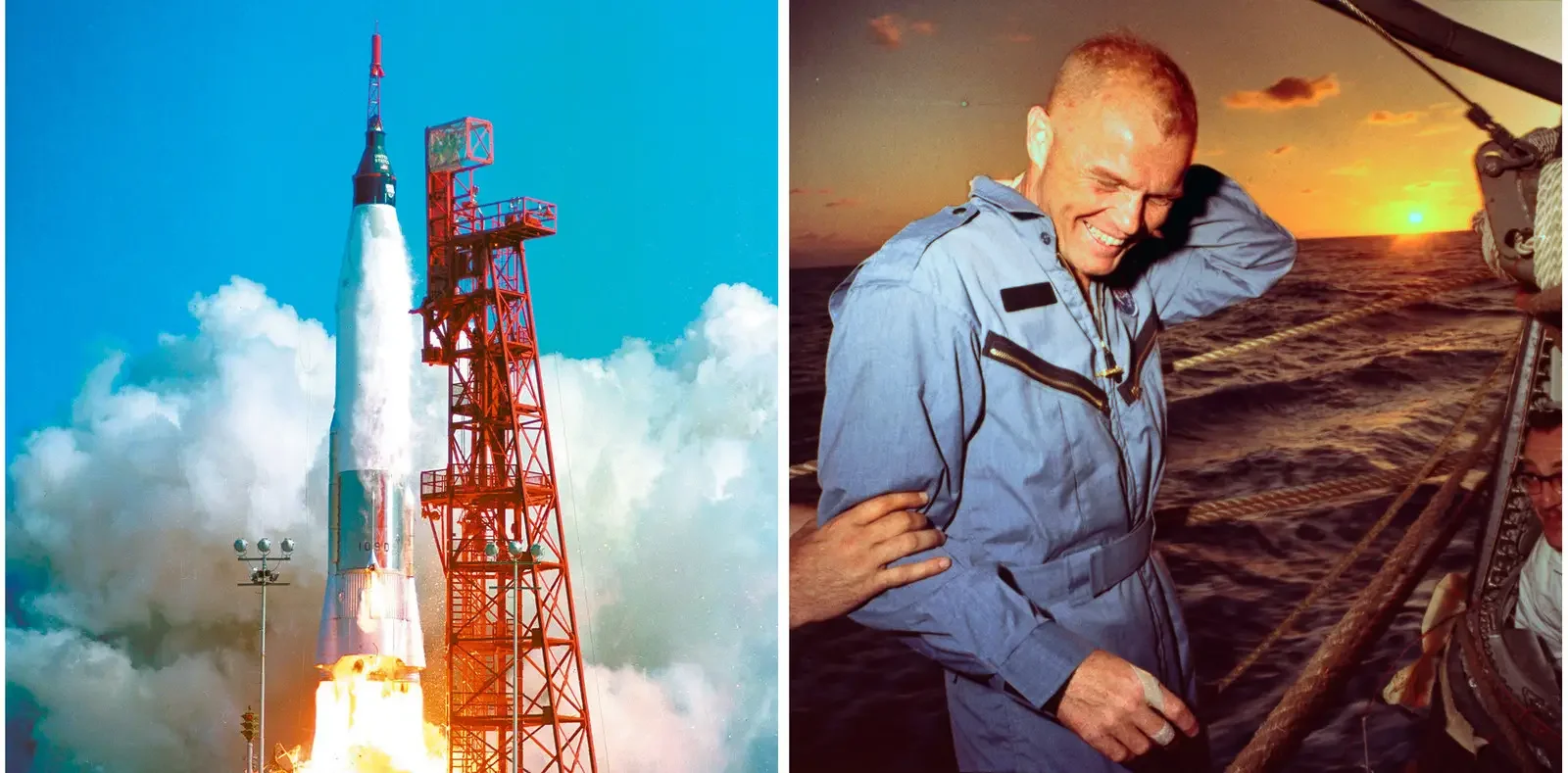
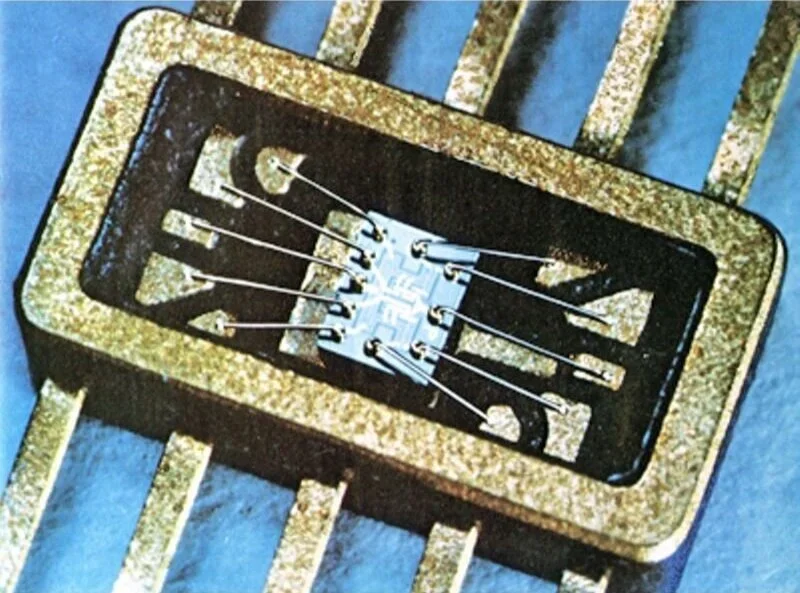
Technological leaps like the Apollo Guidance Computer, reignitable rocket motors, long range radar tracking and spacesuits were some of the many massive advancements in humanities’ understanding of technology and exploration that the moon missions laid foundations for. The integrated circuit was first used in the Apollo guidance computer, and is now present in every electronic device we build. Celestial navigation and ground tracking radar, refined over those 9 cislunar flights of Apollo, is still used for the Artemis program that continues to push humanity out to the moon and beyond.
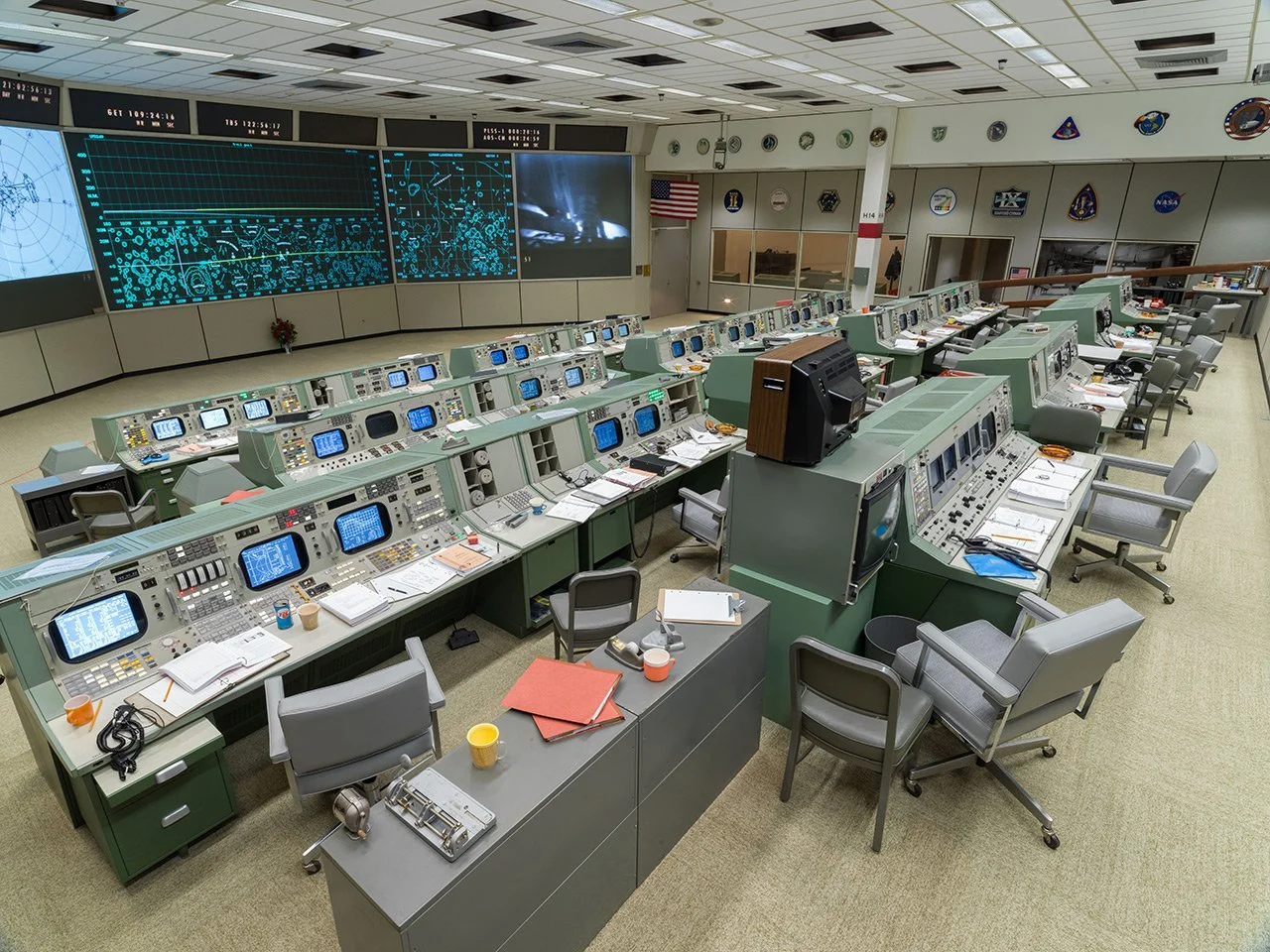
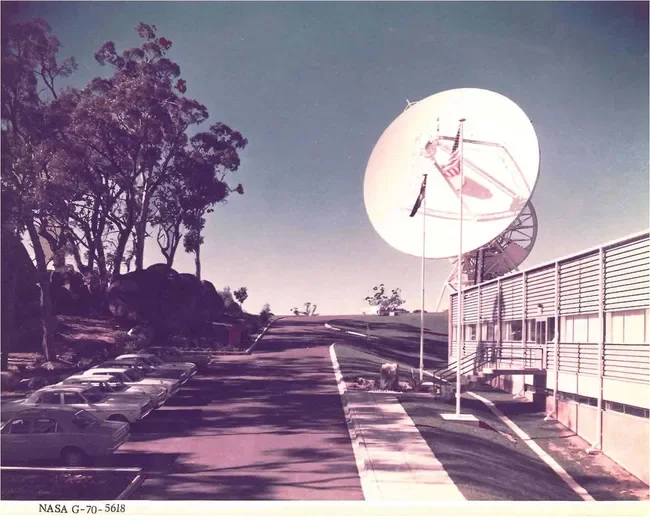
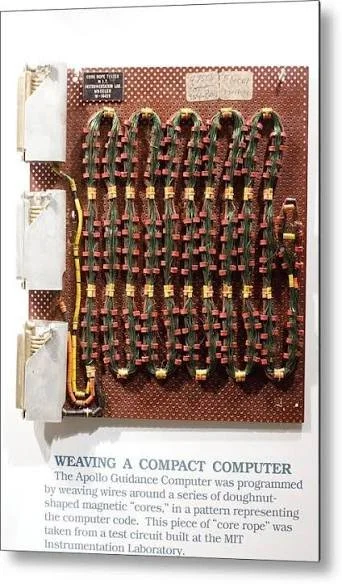
My projects aim to respect and educate on these technologies by putting the evolution into your hands. Using public NASA archives, incredible open source projects like Virtual AGC, and single board computing and microcontrollers, I’m designing and recreating the pivotal tools that brought us to the moon those many years ago. Whether you’re someone who wants to fly the LM using the real hand controllers… touching down as those men did many years ago… or you want to command the CSM autopilot to orient you for the burn using real, tactile verb and noun command keys, I want you to feel excited to learn about these incredible missions and appreciate how our modern world was shaped by those space programs of pure innovation.
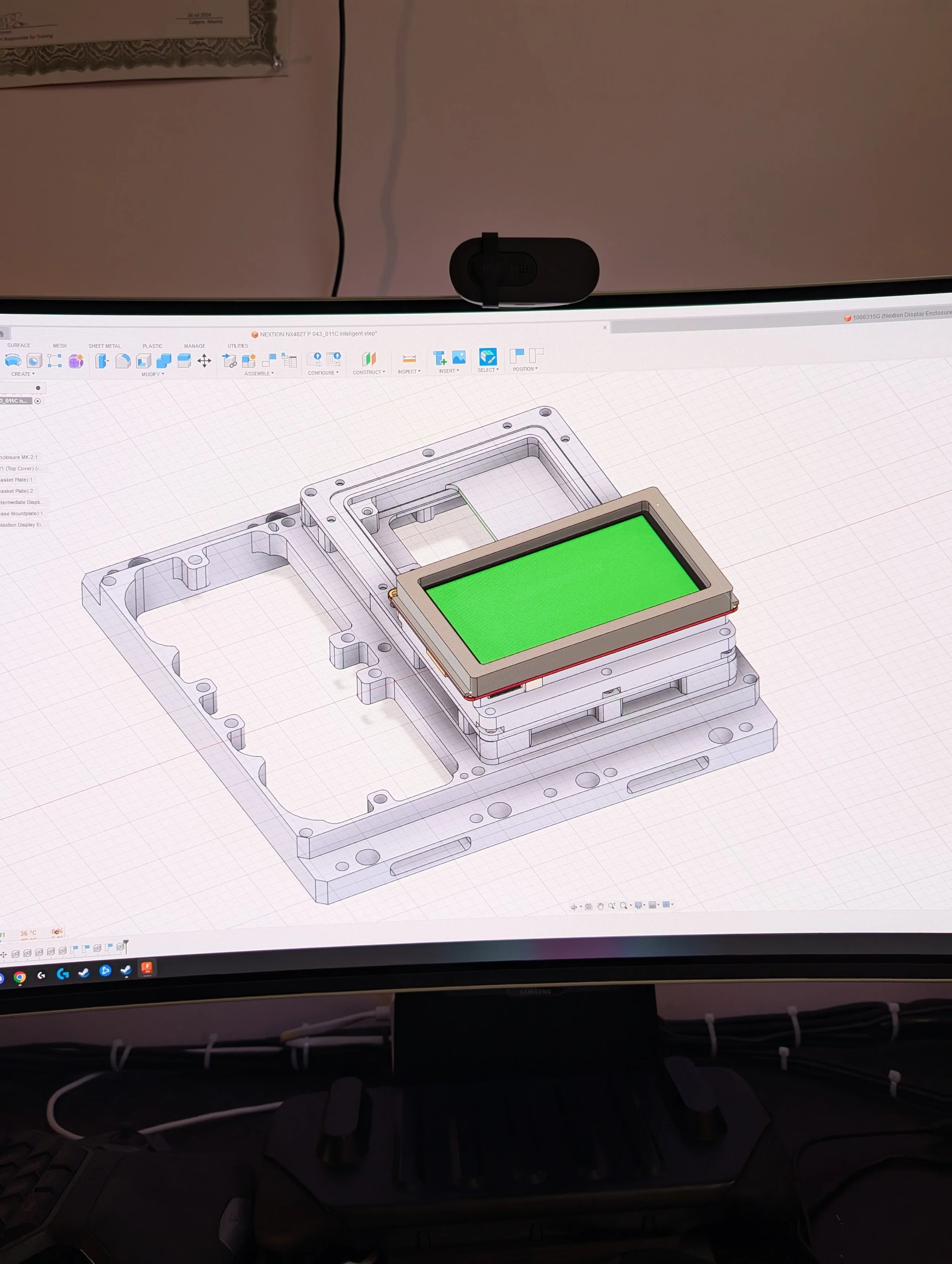
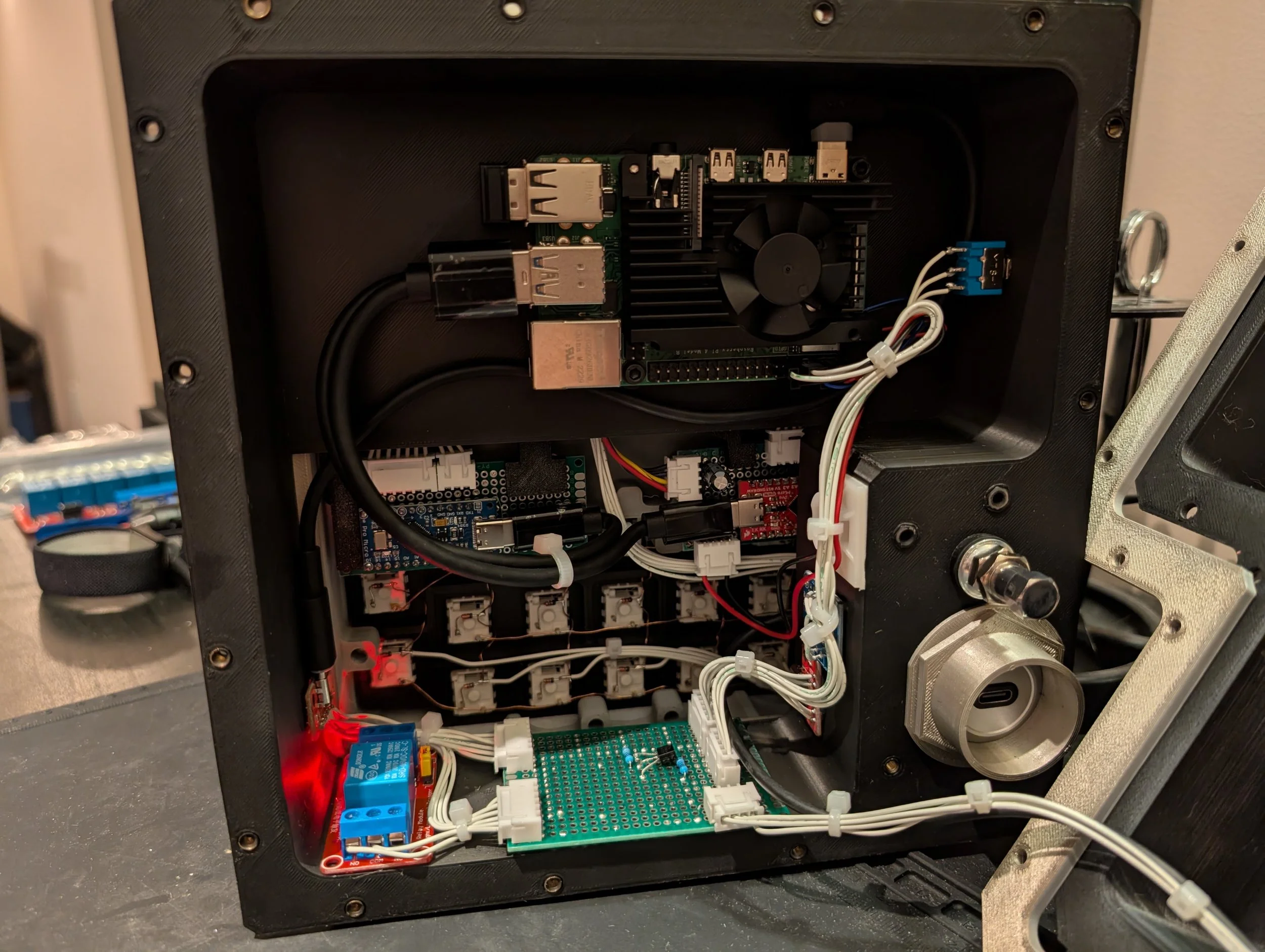
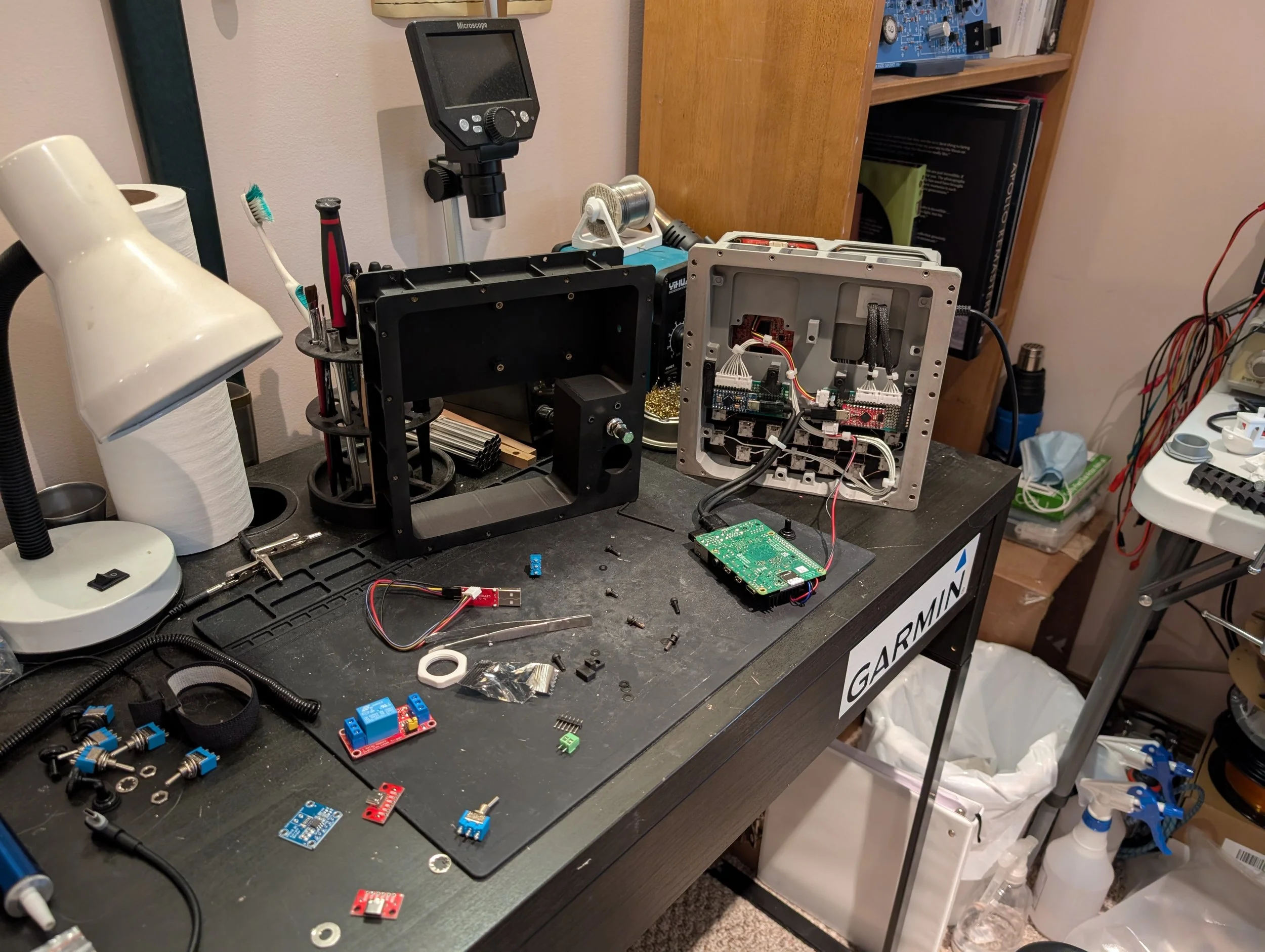
To join my project, please feel free to come by the Discord or visit me on Reddit. Visit my Recreate DSKY page to learn more about the DSKY project I am Kickstarting in the coming months, or visit my GitHub to get started on making your own.